Agricultural PTO Shaft

Engineered for Australia’s Harshest Farming Environments: Maximum Torque, Unyielding Durability, and Ultimate Operational Safety.

Request Custom Technical Configuration

Application-Specific PTO Shafts

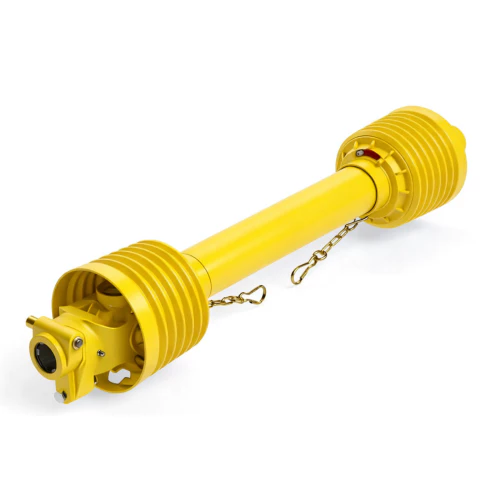
Standard Agricultural Drive Shaft

Standard Implement PTO Shafts

Ideal for low-to-medium impact implements like fertilizer spreaders, post hole diggers, and boom sprayers. Utilizing lemon or triangular profile tubes, these offer excellent axial sliding properties under load and reliable torque transfer up to 100 HP.

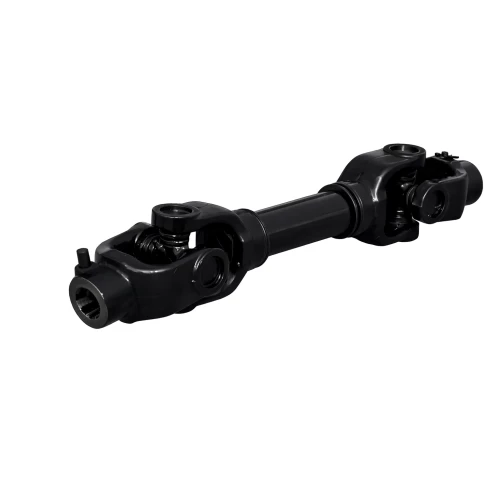
Wide Angle CV PTO Shaft

Wide Angle (CV) Joint Shafts

Engineered with a Constant Velocity (CV) joint allowing up to 80° articulation. Essential for trailing sprayers, large balers, and harvesters, permitting operators to execute tight headland turns without disengaging the tractor’s power output.

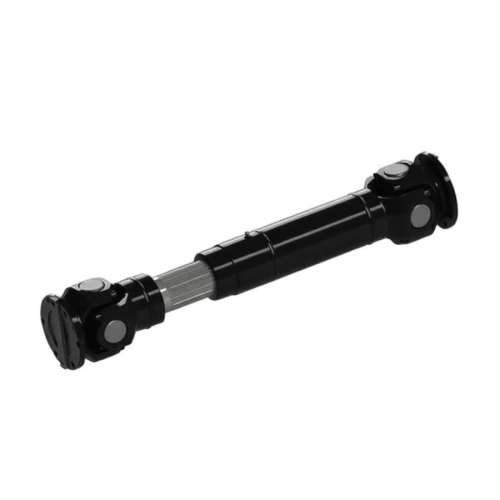
PTO Shaft with Slip Clutch

Heavy-Duty Slip Clutch

PTO Shafts

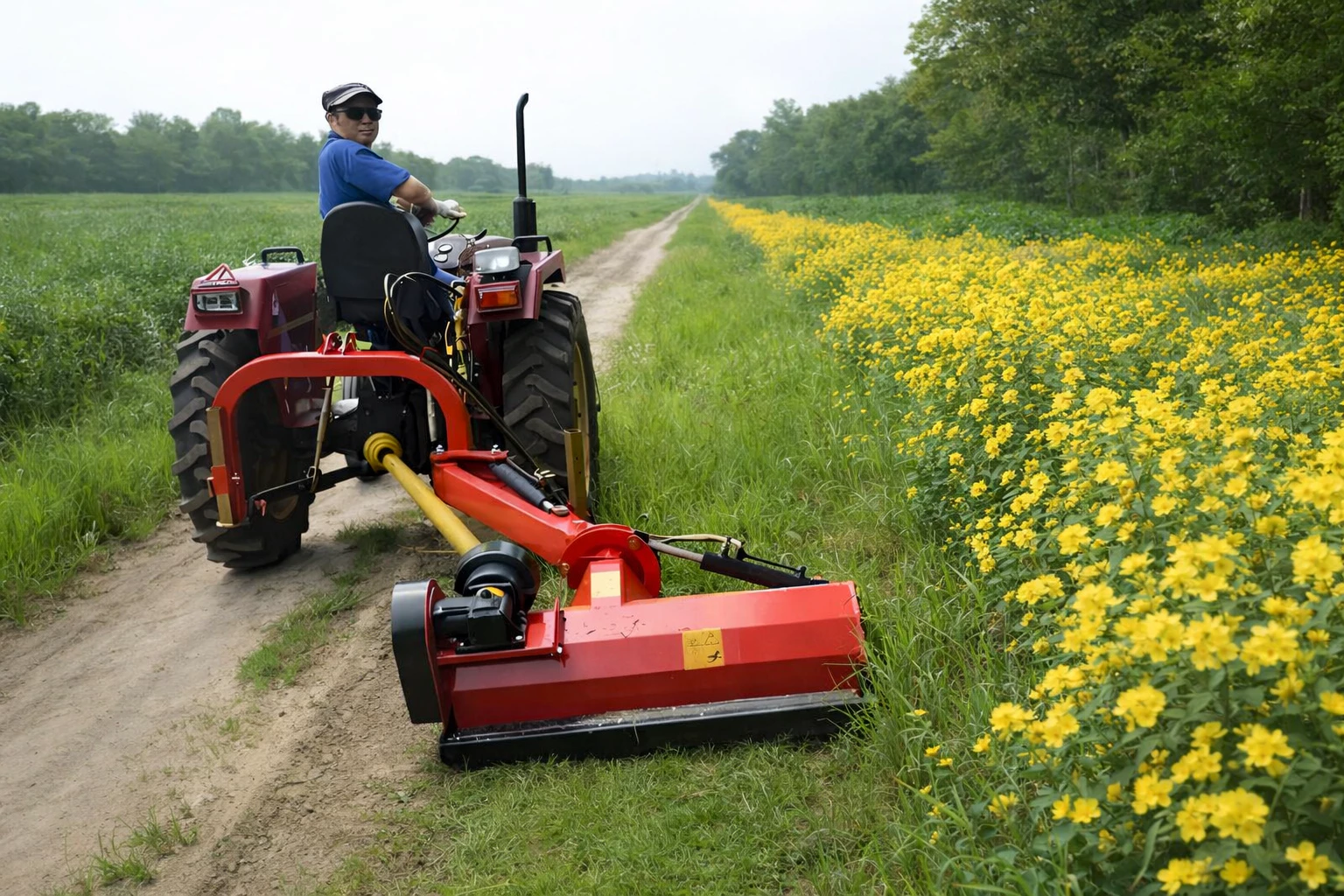
Integrated with robust multi-plate friction clutches. Designed specifically for high-inertia equipment like rotary slashers, flail mowers, and wood chippers. These shafts absorb severe torque peaks, drastically extending the lifespan of both tractor and implement.

Powertrain Selection Essentials

For original equipment manufacturers and large-scale farm operators, selecting the correct driveline is critical to preventing catastrophic gearbox failure and eliminating downtime during narrow harvest windows. Here is a rapid breakdown of our core engineering capabilities:

  • Extreme Load Tolerance: Dynamic torque capacity up to 4,600 Nm, specifically calibrated for heavy rotary slashers and broadacre tillers.
  • Advanced Metallurgy: Cross journals undergo deep carburizing and quenching processes, achieving a surface hardness of HRC 58-62 for exceptional wear resistance under high-friction loads.
  • Compliance & Safety: Fully compliant with Australian Standard AS 1121.1-2007, featuring UV-stabilized, impact-resistant polymer safety guards and anti-rotation chains.
  • Universal Adaptability: Standard 1-3/8 inch 6-spline, 21-spline, and 1-3/4 inch 20-spline configurations ensure seamless integration with all major tractor primary power outputs.
  • Overload Protection Systems: Integrated sheer bolt limiters, multi-plate friction slip clutches, and overrunning clutches to absorb destructive peak torque spikes.

Mechanical Anatomy of Agricultural Power Take-Off Systems

In agricultural dynamics, the power take-off (PTO) driveline serves as the critical mechanical artery connecting the tractor’s engine output to trailing implements. The fundamental principle relies on Universal Joints (U-Joints) combined with a telescoping tubing architecture. This allows for the smooth, continuous transmission of rotational kinetic energy even when significant articulation angles and changing distances occur between the towing vehicle and the implement (such as navigating uneven paddocks or executing sharp headland turns).

Beyond mere power transmission, a properly engineered drive shaft acts as a mechanical fuse. It incorporates sophisticated torque limiters. When an implement—like a rotary hoe or wood chipper—encounters a sudden blockage (a hidden rock or massive stump), the integrated slip clutch immediately breaks the mechanical lock, allowing the internal discs to slip. This split-second decoupling isolates the tractor’s expensive internal transmission from devastating shock waves, saving thousands of dollars in potential mechanical damage.

Tractor PTO Shaft Working Principle

Comprehensive Engineering Parameter Matrix

Backed by EVER-POWER’s vertically integrated manufacturing facilities, our drive shafts surpass stringent industrial benchmarks. Below is the detailed specification matrix comprising 32 critical engineering parameters evaluated during our quality assurance protocols.

Technical Parameter Specification / Tolerance Technical Parameter Specification / Tolerance
1. Rated Power @ 540 RPM 12 HP to 150 HP (By Series) 17. Tractor Yoke Spline Interface 1-3/8″ 6/21 Spline; 1-3/4″ 20 Spline
2. Rated Power @ 1000 RPM 18 HP to 250 HP 18. Implement Yoke Interface Plain Bore w/ Keyway, Flange, Splined
3. Dynamic Torque Range 180 Nm to 4,800 Nm 19. Yoke Forging Material High-Strength Alloy Steel 40Cr / 45#
4. Static Peak Torque Tolerance Up to 9,200 Nm (Transient) 20. Profile Tubing Geometry Triangular, Lemon, Star, Involute Spline
5. Standard U-Joint Deflection Max 25° Continuous / 45° Intermittent 21. Guarding Material UV-Resistant High-Density Polyethylene
6. Wide Angle (CV) Deflection 80° Maximum Operating Angle 22. Cross Bearing Journal Diameter 22.0 mm to 42.0 mm
7. Safety Protection Topology Shear Bolt, Friction, Overrunning, Cam 23. Cross Bearing Cap-to-Cap 54.0 mm to 104.0 mm
8. Friction Disc Material Non-Asbestos Composite (High CoF) 24. Bearing Seal Architecture Double-Lip NBR Elastomer
9. Operational Temperature Range -40°C to +90°C ambient 25. Lubrication Standard NLGI Grade 2 Extreme Pressure Lithium Complex
10. Dynamic Balancing Class G6.3 per ISO 1940 standard 26. Maintenance Interval (Standard) 8 – 10 Operating Hours
11. Telescopic Tube Wall Thickness 3.0 mm to 6.5 mm (Application dependent) 27. Extended Lube Interval Series 50 Operating Hours
12. Minimum Telescopic Overlap 1/3 of total tube length (1/2 recommended) 28. Surface Anticorrosion Treatment Epoxy Powder Coating / Zinc Plating (Optional)
13. Bending Strength of Tube > 680 MPa 29. Quick Locking Mechanism Push-Pin (QD) / Slide Collar / Taper Pin
14. Surface Hardness of Journal HRC 58 – 62 30. Regulatory Compliance CE, ISO 5673-1, AS 1121.1 (Australia)
15. Retracted Length (CTC) Customizable from 600 mm to 2000 mm 31. Vibration Dampening Capability Superior harmonic dampening via precise phasing
16. Shear Bolt Grade Class 8.8 / 10.9 precision engineered metric 32. Operating Noise Level < 78 dB under full load at 540 RPM

Global Engineering Compatibility & Replacement

Through rigorous reverse engineering and standardization, our modular driveline components exhibit exceptional global interoperability. By precisely mapping journal dimensions, yoke spline tolerances, and overall length calculations, EVER-POWER manufactured pto drive shafts serve as highly economical, drop-in replacements for premium international OEM assemblies.

  • Comer Industries®: Direct equivalent cross-referencing for standard profile tubes, U-joints, and safety clutches.
  • GKN Walterscheid®: Flawless integration with W-Series geometries, including their advanced Wide Angle (CV) configurations.
  • Bondioli & Pavesi®: 1:1 dimensional matching for SFT and Global series drivetrains commonly found on European machinery.
  • Weasler®: Complete compatibility with North American agricultural and industrial metric series lines.
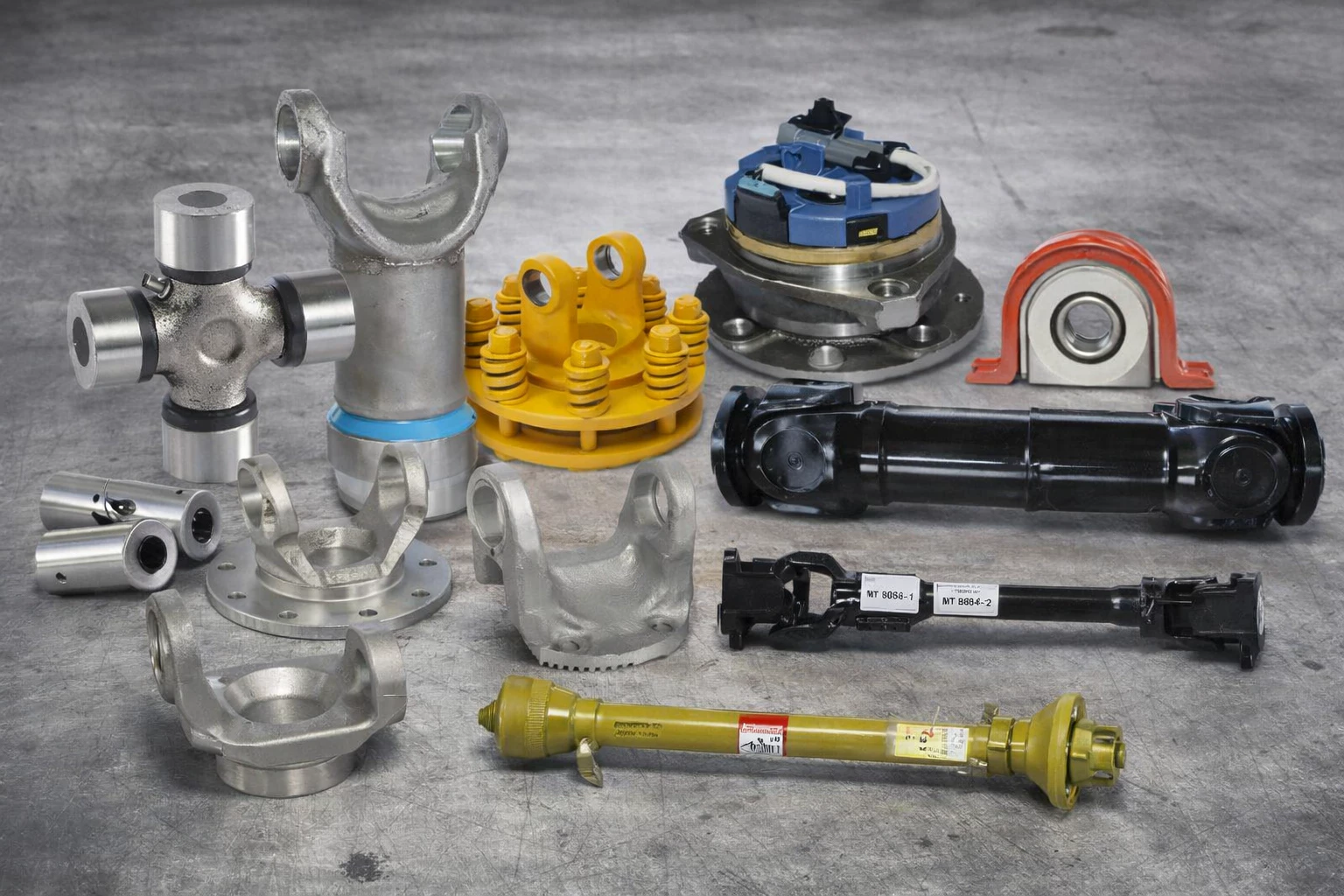
Compatible PTO Shaft Components
Legal & Compatibility Disclaimer: Our driveline systems and components are engineered as perfect aftermarket replacements for the units found on Comer™, GKN Walterscheid™, Bondioli & Pavesi™, and Weasler™ equipment. (Note: All manufacturer names, trademarks, symbols, and part numbers are used for reference and identification purposes only. EVER-POWER is a fully independent manufacturer. Our products are engineered autonomously to provide high-quality maintenance alternatives and do not imply any affiliation with or endorsement by the original equipment manufacturers.)

Australia Regional Extreme Condition Field Study & Implement Adaptation Guide

Australian agriculture represents one of the most mechanically demanding environments globally. The vast distances, abrasive dust, and variable topographies across different states dictate specific driveline engineering adaptations. Safety remains paramount, with our entire product range strictly adhering to the WorkSafe Australia and AS 1121.1-2007 standards regarding guarding and entanglement prevention.

Queensland (QLD): Sugarcane & Tropical Humidity

In the tropical sugarcane belts extending from Bundaberg to Cairns, implements like cane billet planters and haul-out trailers operate in conditions of extreme humidity and acidic plant juices. Standard carbon steel yokes suffer rapid galvanic corrosion here. Our localized solution involves drivelines treated with a triple-layer epoxy anti-corrosion coating, combined with marine-grade double-lip nitrile seals on all cross bearings, successfully extending MTBF (Mean Time Between Failures) by over 45%.

Western Australia (WA): Broadacre Silica Dust

The vast wheatbelts around Perth and Albany rely on massive air seeders and chaser bins running 24/7 during sowing and harvest. The primary enemy is fine, abrasive silica dust creating a “sandpaper effect” inside bearings. For WA broadacre farmers, EVER-POWER deploys our Extended Lube Series (50-hour greasing intervals) featuring reinforced elastomeric dust boots. This prevents abrasive ingress and perfectly aligns with the long shift patterns of regional operators.

Victoria (VIC) & NSW: Vineyard & Dairy Dynamics

In the Yarra Valley vineyards (VIC) and Riverina orchards (NSW), tractors towing heavy air-blast sprayers must navigate exceptionally tight rows. Standard U-joints shatter if the operator forgets to disengage the PTO during sharp headland turns. We standardize 80-degree Wide Angle (CV) joints for these regions, allowing seamless, continuous power transmission during tight maneuvers. Additionally, dairy farmers utilizing heavy feed mixers rely on our Overrunning Clutches to prevent the massive mixer inertia from back-driving the tractor transmission during deceleration.

PTO Shaft Field Application Australia
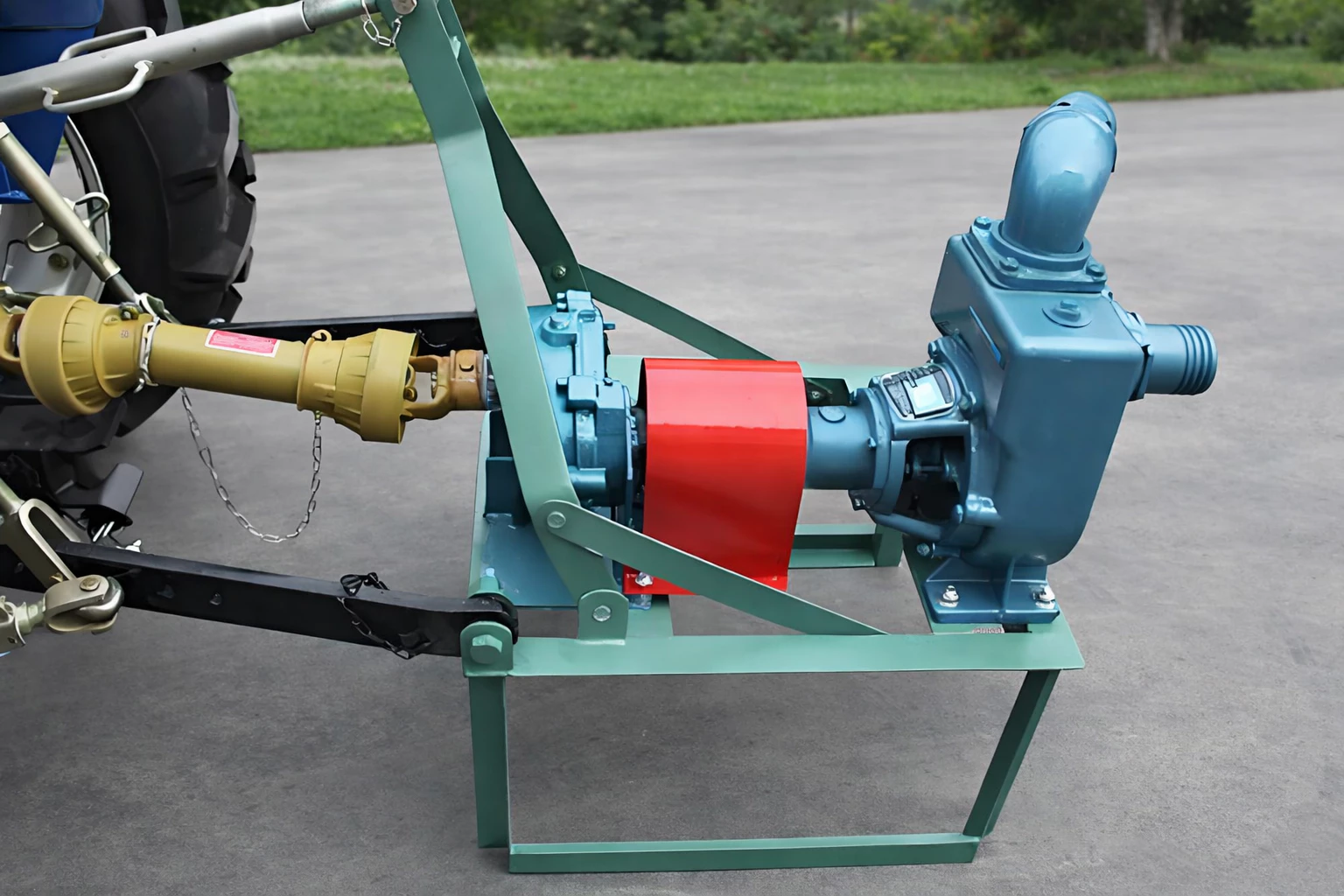
Tractor PTO Implement Attachment

Exclusive Case Data
Field Engineer’s Log: Solving the 3000Nm Torque Crisis

“In our 15 years of outfitting heavy agricultural machinery across the rough terrains of Tasmania and New South Wales, we found that standard shear bolt PTO shafts often fail catastrophically when hitched to 3-meter wide rotary hoes working in heavy, rock-laden clay soils. The rigid locking mechanism simply cannot process the instantaneous deceleration.”

Client Pain Point vs. EVER-POWER Solution

Client Pain Point (Farm Manager in Dubbo, NSW):
“Every time our 150HP tractor’s rotary hoe hit a subterranean basalt rock, the sudden impact would snap the shear bolt. We were replacing bolts 5 times a day under the blazing sun, losing hours of critical spring planting time. When we tried a stronger, non-standard bolt, the shock wave travelled up the shaft and completely shattered the tractor’s internal PTO gear cluster. It killed our margins.”

EVER-POWER Engineering Solution:
“Based on this exact factory case, we transitioned the farm to our Series 8 Heavy-Duty PTO shaft featuring a 4-plate friction slip clutch. We precisely calibrated the spring tension to slip exactly at 2,800 Nm of torque. Now, when the hoe strikes a rock, the clutch momentarily slips, emitting a brief chattering sound while absorbing the kinetic energy. The tractor keeps moving, the gearbox is protected, and zero bolts need replacing. The client reported a 35% increase in daily hectare coverage.”

More Proven Regional Field Cases:

  • Mount Gambier, SA (Forestry Mulching): Replaced rigid shafts with Overrunning Cam Clutches on massive wood chippers, preventing 400kg spinning flywheels from destroying tractor PTO brakes upon engine shutdown. Zero transmission failures recorded in the subsequent 24 months.
  • Geelong, VIC (Grape Harvesters): Upgraded the main drive to our Wide Angle 80° configuration. Operators no longer need to execute dangerous PTO disengagements on steep, tight vineyard headlands.
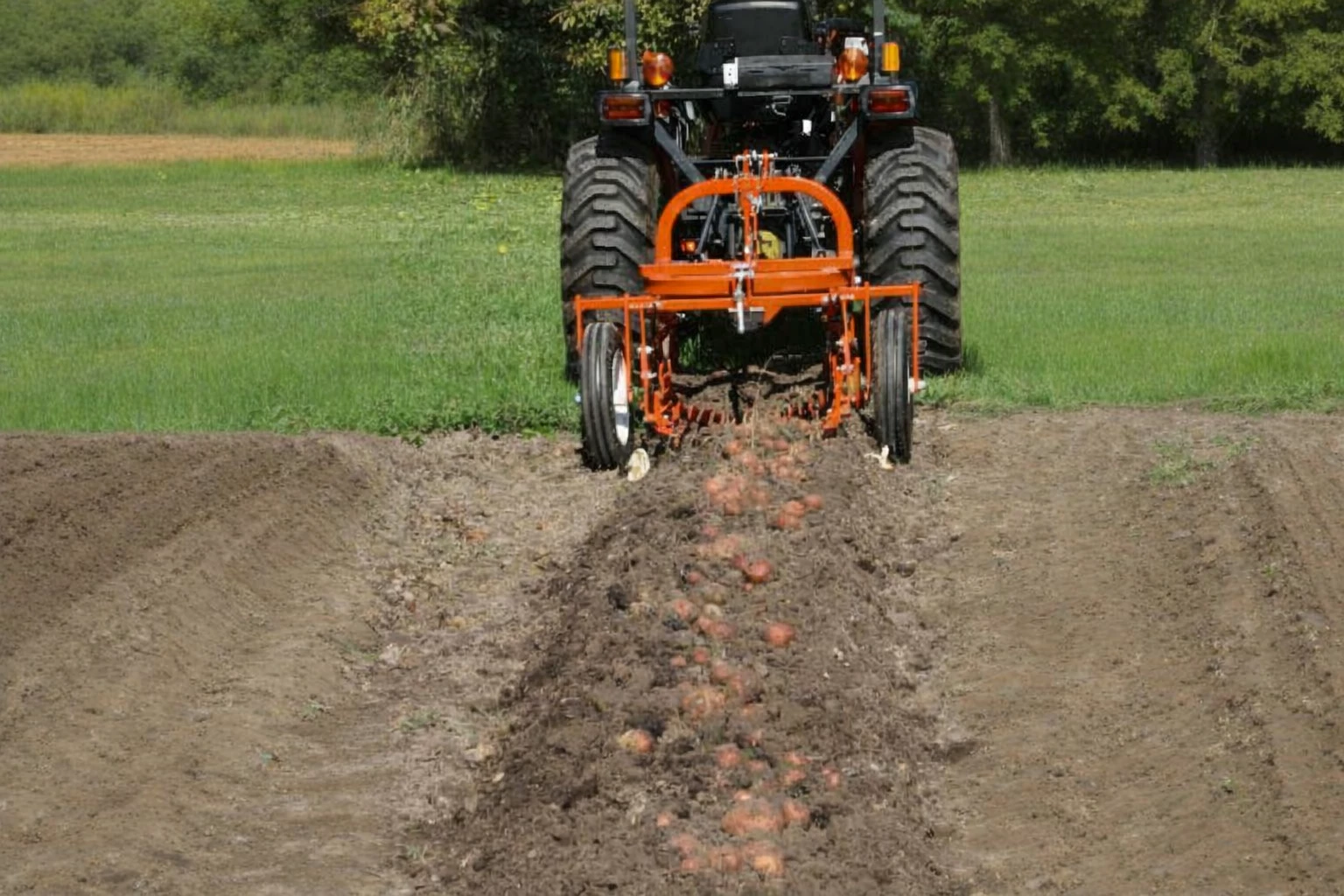
  • Longford, TAS (Potato Harvesters): Solved severe telescopic tube binding caused by sticky mud ingress by upgrading to zinc-plated Lemon-profile tubing with high-density ribbed sealing guards. Axial thrust loads on the tractor bearing were reduced by 60%.

Driveline Procurement & Sizing Architecture Guide

To guarantee mechanical compatibility and eliminate vibration hazards, verify the following engineering parameters before purchasing. This quick sizing guide ensures you acquire the exact dimensional model for your machinery.

Verification Step Measurement Protocol & Parameter Engineering Context
Step 1: HP & RPM Matching Identify tractor output horsepower (HP) and determine if the operational speed is 540 RPM or 1000 RPM. 1000 RPM systems transmit equivalent power at lower torque, allowing for smaller tube dimensions.
Step 2: Tractor Yoke Splines Count the splines and measure the outer diameter. Standard sizes: 1-3/8″ x 6 Spline, 1-3/8″ x 21 Spline. Quick Disconnect (QD) push-pins are recommended for rapid, single-operator coupling.
Step 3: Implement Interface & Clutch Determine the gearbox input shaft (Plain bore with keyway, splined, or flanged). Assess required safety clutch type. Use friction clutches for soil engagement (slashers/tillers). Use overrunning clutches for high-inertia fans (chippers/balers).
Step 4: Cross-to-Cross (CTC) Length Measure the closed length from the center of the tractor U-joint to the center of the implement U-joint. Ensure minimum 1/3 tube overlap at maximum extension. Too long = gearbox destruction upon lifting. Too short = shaft separation.
Step 5: U-Joint Bearing Cap Sizing Use digital calipers to measure the outer diameter of the cross bearing cap and the overall width of the cross. This precisely identifies the OEM Series (e.g., Series 4 vs Series 6). Measure to an accuracy of 0.1mm.

About EVER-POWER: Two Decades of Driveline Manufacturing Excellence

In the highly specialized field of agricultural power transmission, EVER-POWER stands as a paragon of precision manufacturing and deep engineering competency. With over 20 years of factory legacy, our expansive production bases are equipped with multi-axis CNC machining centers, precision broaching machines, and computerized dynamic balancing rigs capable of certifying shafts to ISO G6.3 standards.

While we produce thousands of standard components globally, our true differentiator is our agile bespoke manufacturing capability. Whether you require non-standard flange yokes, specialized involute splines, extended telescoping profiles, or heavy-duty anti-static coatings for mining and forestry applications, our engineering team can reverse-engineer physical samples or process CAD/SolidWorks files to deliver rapid prototypes.

We understand that driveline failure during harvest equals devastating financial loss. Therefore, our metallurgical quality control is ruthless—encompassing raw material spectrometry, post-heat-treatment metallographic inspection, and aggressive torsional fatigue testing simulating 10,000 hours of field abuse. From standard PTOs to massive industrial cardan shafts driving paper mills, we build power conduits that do not fail.

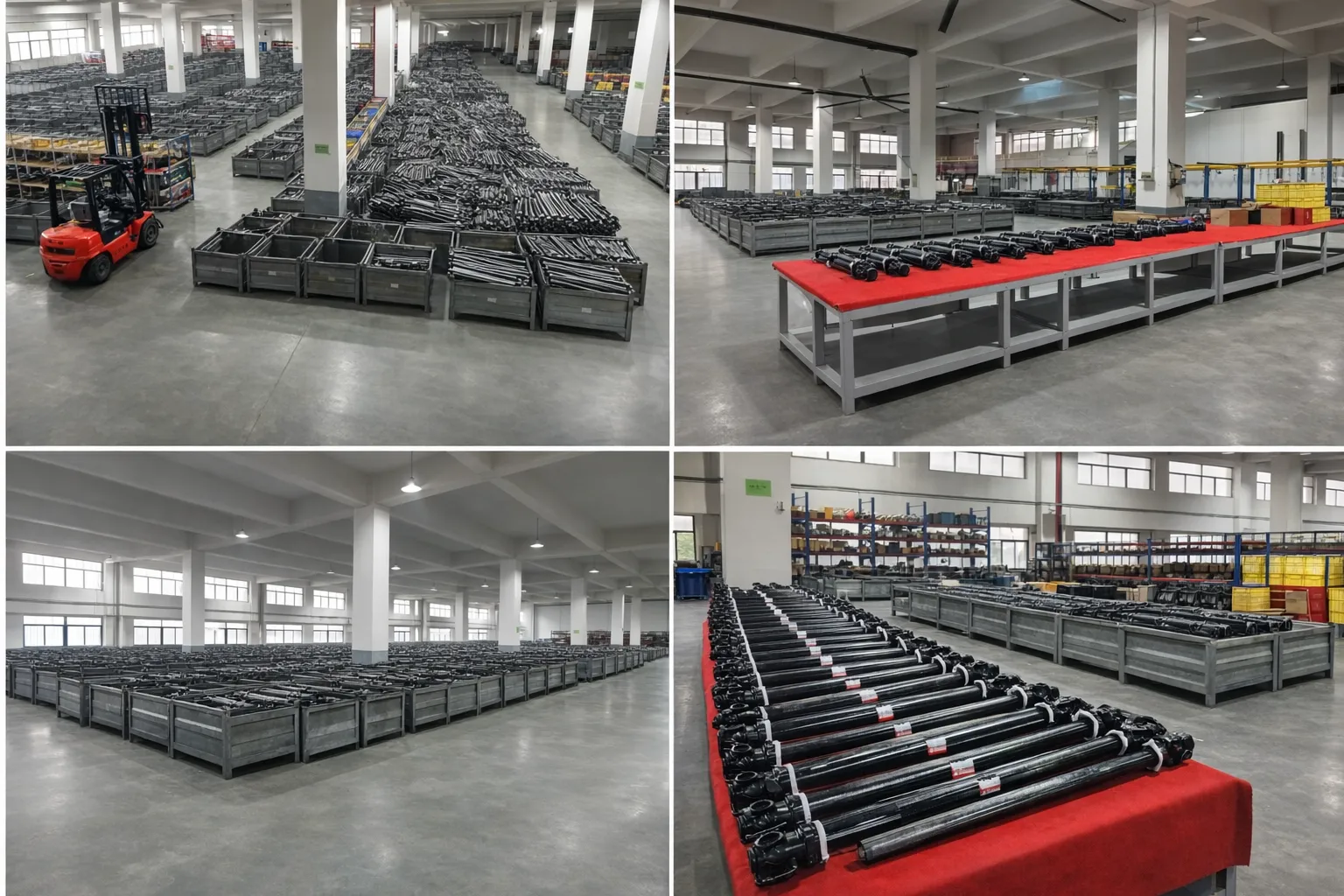
EVER-POWER PTO Shaft Manufacturing Facility

Advanced CNC Yoke Machining & Balancing Operations

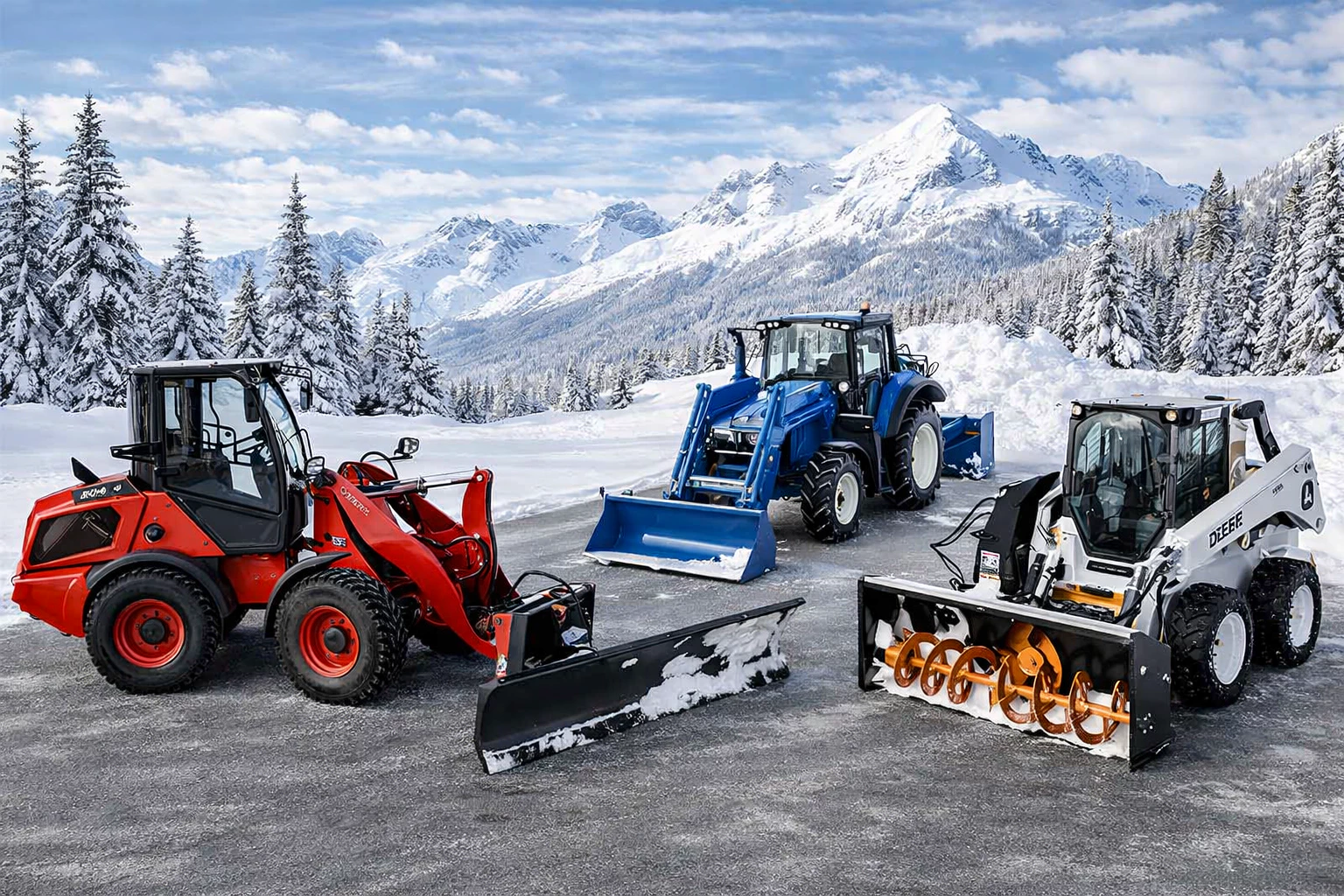
Heavy Agricultural Machinery PTO

Expert Technical Diagnostics & Maintenance Q&A

Direct answers to the most complex operational and maintenance challenges faced by mechanics and farm operators.

1. How can I diagnose if my driveline has severe imbalance or harmonic vibration?

Abnormal vibration usually manifests as a deep hum or violent shuddering felt near the tractor seat at higher RPMs. Primary culprits include: shattered needle bearings within the U-joint cross, a slightly bent profile tube caused by an accidental turn while lifting the implement, or incorrect “Yoke Phasing” (the inner yokes on both ends are not aligned in the same plane). Shut down immediately to prevent the high-frequency vibrations from cracking the tractor’s PTO housing.

2. Why is “slipping the clutch” mandatory at the start of every season?

During off-season storage, the friction discs inside the clutch absorb atmospheric moisture and molecularly bond (rust) to the metal separator plates. If you engage a heavy load without freeing them, the clutch acts as a solid piece of steel and will not slip during a collision, destroying your gearbox. You must loosen the tension nuts, run the PTO at low idle to let the clutch purposefully slip and polish the rust off for a few seconds, then retighten the springs to the exact height specified in the manual.

3. Can I upgrade my standard driveline to a Wide Angle (CV) system by just swapping the yoke?

No, this is highly dangerous. A Wide Angle Constant Velocity joint is a massive, complex assembly featuring two U-joints connected by a specialized centering disk mechanism. It changes the entire weight distribution and length dynamics of the shaft. Upgrading requires purchasing a fully engineered and dynamically balanced complete CV shaft assembly to ensure safe operation.

4. What are the strict engineering rules for cutting a shaft to size?

First, you must cut exactly the same amount off both the inner and outer profile tubes to maintain proper geometric overlap. Second, the cut edges must be meticulously deburred with a file; even a millimeter of steel burr will gouge the inner tube’s sliding surface, causing it to bind under torque. Finally, when reassembling, the yokes must be perfectly phased (aligned) to cancel out rotational velocity fluctuations.

5. What makes AS 1121.1 standard safety guards so critical in Australia?

A PTO shaft spins at 540 or 1000 RPM. Without a guard, it can catch loose clothing and cause fatal entanglement in less than a second. The AS 1121.1 standard mandates that the polymer guard completely encloses the rotating shaft and utilizes anti-rotation chains clipped to the tractor and implement. This ensures the shaft spins *inside* the guard while the guard itself remains totally stationary. If the guard is cracked or chains are missing, the equipment is legally and practically unsafe to operate.

6. Triangular vs. Lemon vs. Star Profile Tubing: How do I choose?

Triangular tubes are standard, offering high bending strength for general applications. Lemon profile tubes reduce rotational friction and distribute stress more evenly at high speeds, common in European implements. Star profiles (multi-lobe) offer maximum surface contact area and are specifically engineered to resist twisting deformation under the extreme torque of high-horsepower tractors driving heavy soil-tillage equipment.

7. My shear bolt snaps immediately upon tractor engagement, even without a blockage. Why?

This is classic “bolt hole elongation”. If previous bolts were allowed to run slightly loose before breaking, or if inferior low-grade bolts (e.g., Grade 4.8 instead of the required Grade 8.8) were used, the circular hole in the yoke flange has deformed into an oval. This creates mechanical “play”. When the tractor clutch is released, the instantaneous acceleration slams across this gap, generating massive shear force that instantly decapitates even a new bolt. The yoke flange must be replaced.

8. Why do heavy modern tractors use 1000 RPM 21-spline outputs instead of 540 RPM 6-splines?

It is a matter of physics and power density. Power is Torque multiplied by RPM. To transmit 200 HP at 540 RPM requires incredibly high torque, which would require massive, incredibly heavy shafts and U-joints. By doubling the speed to 1000 RPM, the required torque is halved, allowing engineers to design lighter, more responsive shafts. The 21 fine splines distribute this load across a much larger surface area than 6 splines, eliminating the risk of spline shearing under heavy loads.

9. What is the impact of extreme temperature variations on driveline lubrication?

In cold early-morning winter starts, standard cheap lithium grease solidifies, channeling away from the needle bearings and causing catastrophic dry-friction scoring in the first five minutes of operation. Conversely, in 45°C summer heat under heavy slashing loads, inferior grease liquefies and is thrown out of the bearing caps by centrifugal force. We mandate NLGI Grade 2 Extreme Pressure Lithium Complex grease, which maintains stable viscosity and extreme-pressure boundary lubrication across a massive thermal range.

10. How do I order a custom batch of non-standard shafts for a new implement prototype?

Contact our engineering sales team directly. You can provide 3D CAD models, dimensioned 2D blueprints, or simply mail us a physical sample of the prototype shaft. Our technicians will conduct reverse engineering, provide you with a 3D model for sign-off within 48-72 hours, and then initiate CNC machining. We support agile manufacturing, meaning we can deliver highly customized configurations even for small-to-medium pilot production runs.

Integrated Powertrain Ecosystem: High-Torque Agricultural Gearboxes

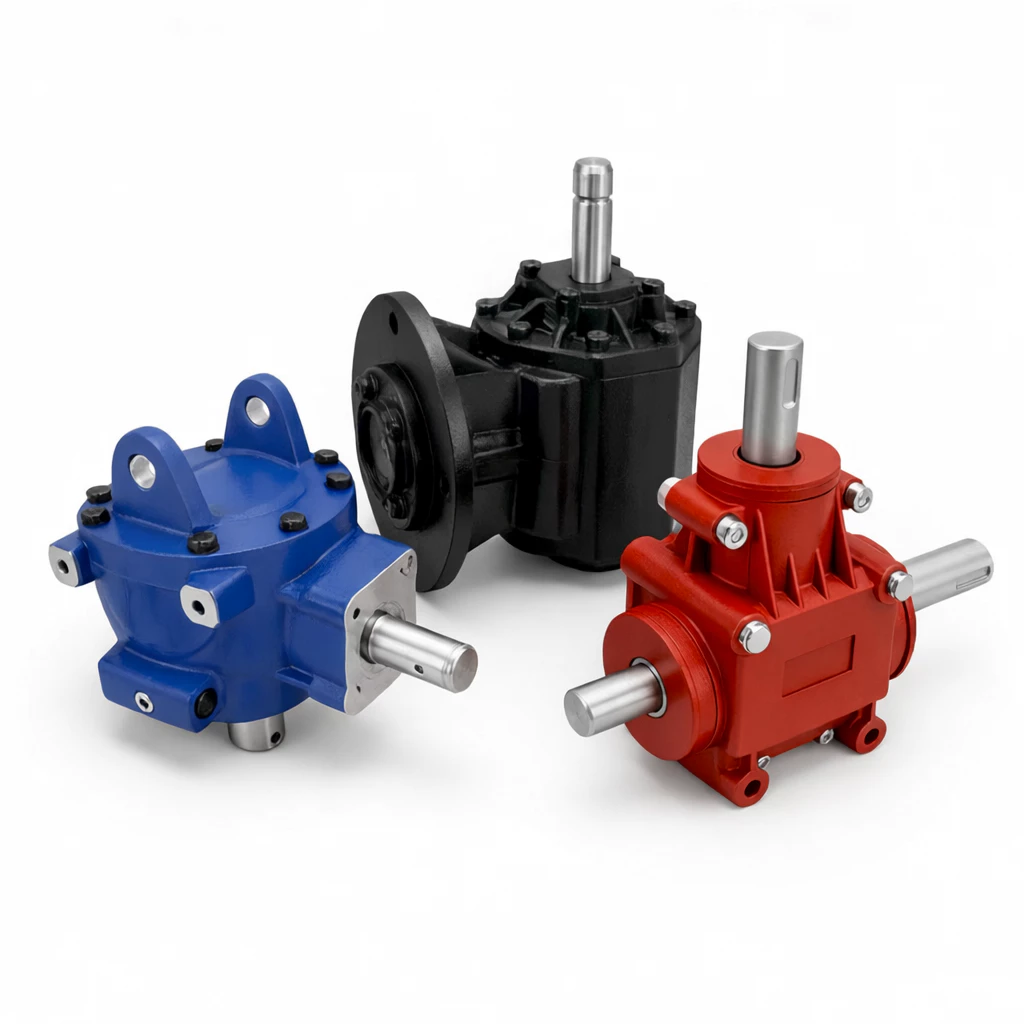
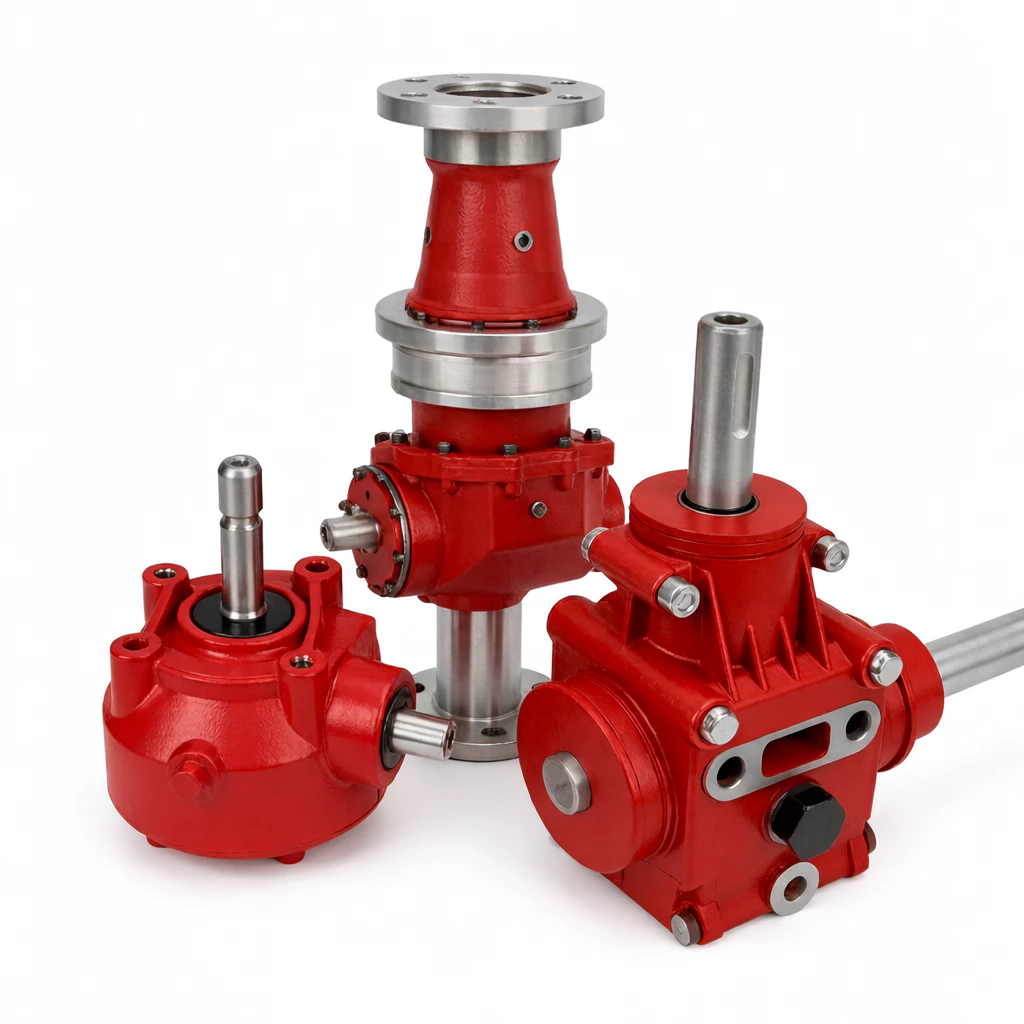
Power transmission does not exist in isolation. Once the PTO driveline delivers kinetic energy to the implement, it relies on a robust Agricultural Gearbox to distribute power, reduce speed, multiply torque, or redirect the drive to perform actual mechanical work. EVER-POWER is not merely a driveline manufacturer; we are the lead architects of complete agricultural powertrain ecosystems. By seamlessly integrating our heavy-duty drive shafts with our high-torque gearboxes, Original Equipment Manufacturers (OEMs) and modern farmers achieve perfect mechanical impedance matching, completely eliminating the destructive interference and tolerance mismatches caused by mixing different component brands.

We adhere to the strictest metallurgical standards and engineering logic in our manufacturing, designed specifically for the most extreme agricultural operating environments. Here are the core technical advantages of our high-torque gearbox series:

Heavy Duty Agricultural Gearbox Engineering

Extreme Strength Metallurgy & Casing Engineering

When facing hard soils, high-density crops, or high-intensity continuous operations, gearboxes are subjected to massive radial shear forces and destructive vibrations. To counter this, our gearbox casings abandon standard grey cast iron in favor of high-purity Nodular Iron (Ductile Iron) precision casting. With a tensile strength exceeding 500 MPa, this material grants the casing exceptional toughness and fatigue resistance. It absorbs high-frequency micro-vibrations and prevents the housing from tearing or fracturing under instantaneous shock loads.

Precision Agricultural Gearbox Assembly

Precision Drivetrain & Long-Life Sealing Architecture

The internal core gearsets (including bevel, spur, and helical structures) are forged from premium 20CrMnTi alloy steel and treated with a proprietary gas carburizing and quenching process. This achieves a tooth surface hardness of HRC 58-62 for exceptional wear resistance, while the core remains highly ductile to prevent tooth breakage. Engineered for the dust and mud-submerged environments typical of agriculture, our systems feature heavy-duty tapered roller bearings and double-lip fluoroelastomer (Viton) oil seals. This architecture completely blocks abrasive external contaminants, ensuring thousands of hours of trouble-free operation.

Building a Seamless Power Transmission Loop

Our engineering catalog covers hundreds of dedicated reduction ratios and flange/spline interface combinations, fully satisfying the power demands of complex agricultural machinery requiring parallel, right-angle, or multi-directional outputs. Choosing EVER-POWER as your single-source powertrain supplier not only drastically simplifies your supply chain management but also guarantees that every segment of energy transfer—from the tractor’s PTO to the final implement—has undergone rigorous system-level consistency testing, ensuring uncompromised efficiency and safety under the harshest conditions.